
Ready to feel more comfortable about dental treatment?
If you’ve been avoiding dental care due to anxiety, you’re not alone. Our team is here to provide clear information, gentle care, and appropriate sedation options where clinically suitable.
With purpose-built facilities and a strong focus on comfort measures during care, Dental Implant Suite has significant experience in providing sleep dentistry options for suitable patients.

Sleep dentistry, also known as sedation dentistry, uses sedative medication before or during a dental procedure to help you feel relaxed. It does not always put you fully to sleep, but many patients feel calm and may doze during treatment.

experience dental phobia or high levels of anxiety
have had difficult or traumatic dental experiences in the past
have very sensitive oral nerves
have difficulty keeping their mouth open for long periods
are resistant to local anaesthetic
have an anxiety disorder or low pain tolerance
require lengthy procedures such as implants, extractions, root canals, or other complex care
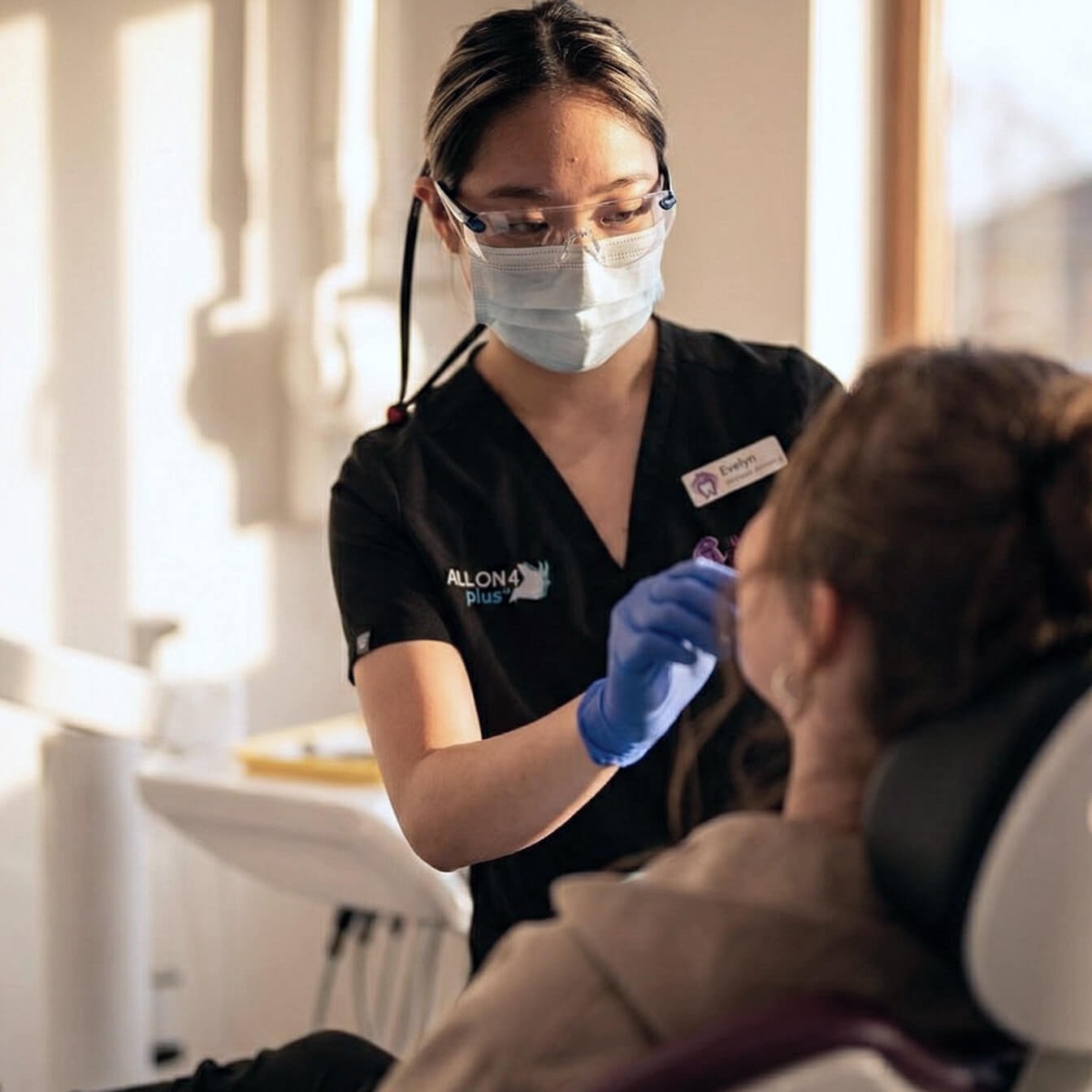
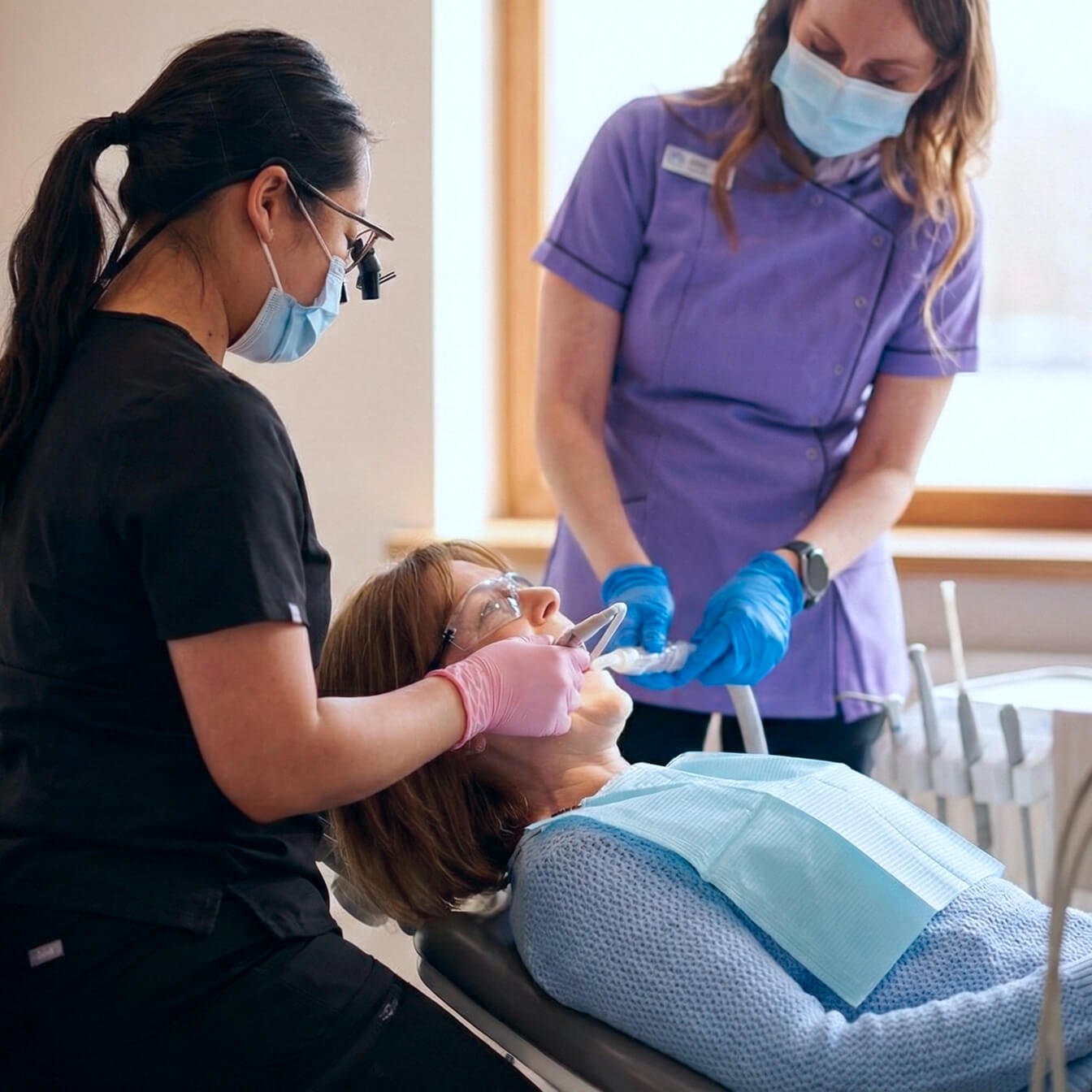
There are different levels of sedation. The right option depends on your medical history, anxiety levels, the procedure, and your preferences.
In some cases, sedation may be considered for children who cannot sit still for treatment, if it is clinically appropriate and safe.
Sleep dentistry is not usually offered for routine care such as cleans, X-rays, or check-ups. A consultation is required to assess whether sedation may be suitable for you.
01
Oral sedation
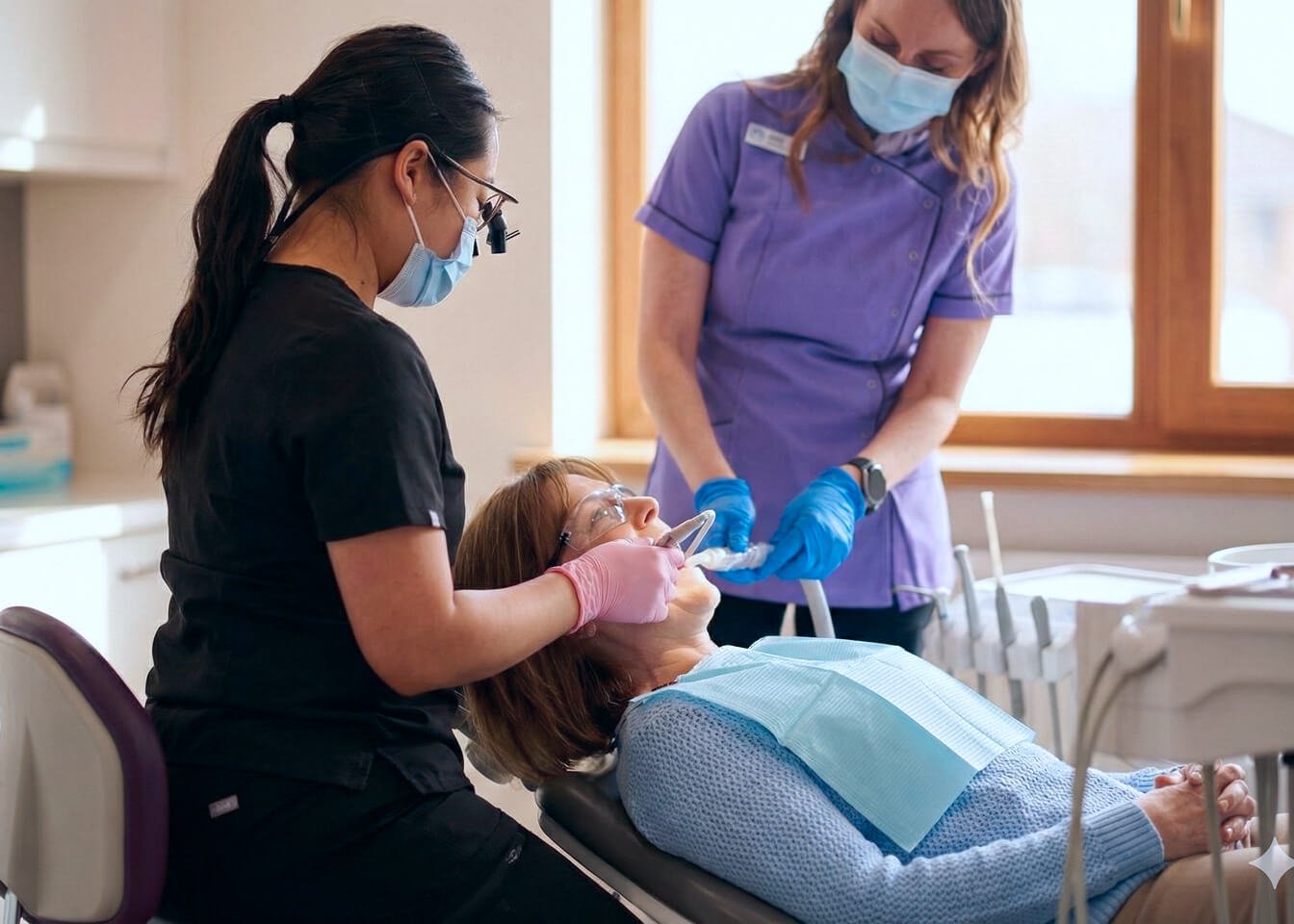
Oral sedation involves taking a prescribed anti-anxiety medication before your dental appointment to help you feel calm and relaxed during treatment.
02
Nitrous oxide (“happy gas”)
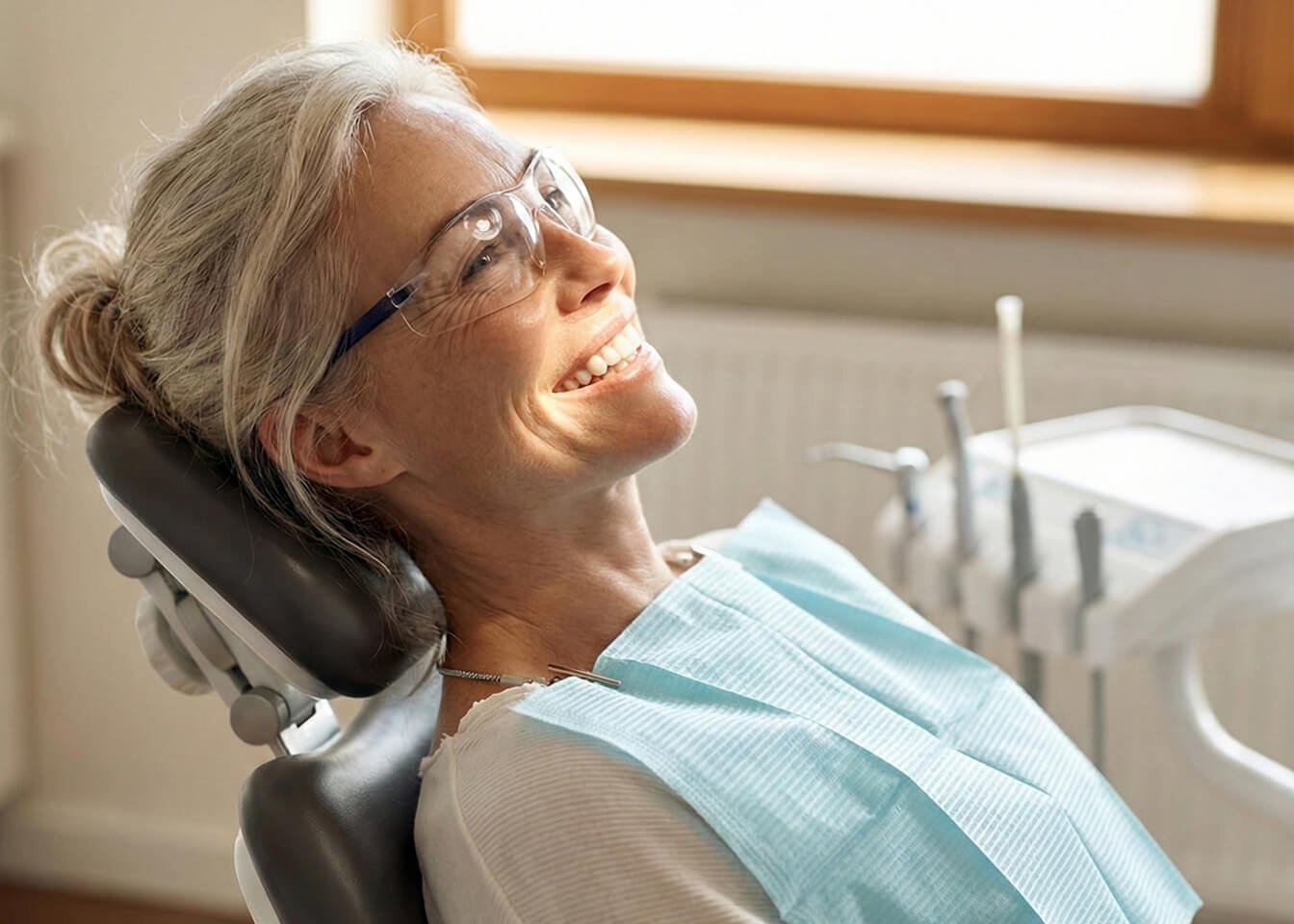
Nitrous oxide sedation, also known as happy gas, is a mild, inhaled sedative used to reduce stress and anxiety during dental procedures.
03
General anaesthesia
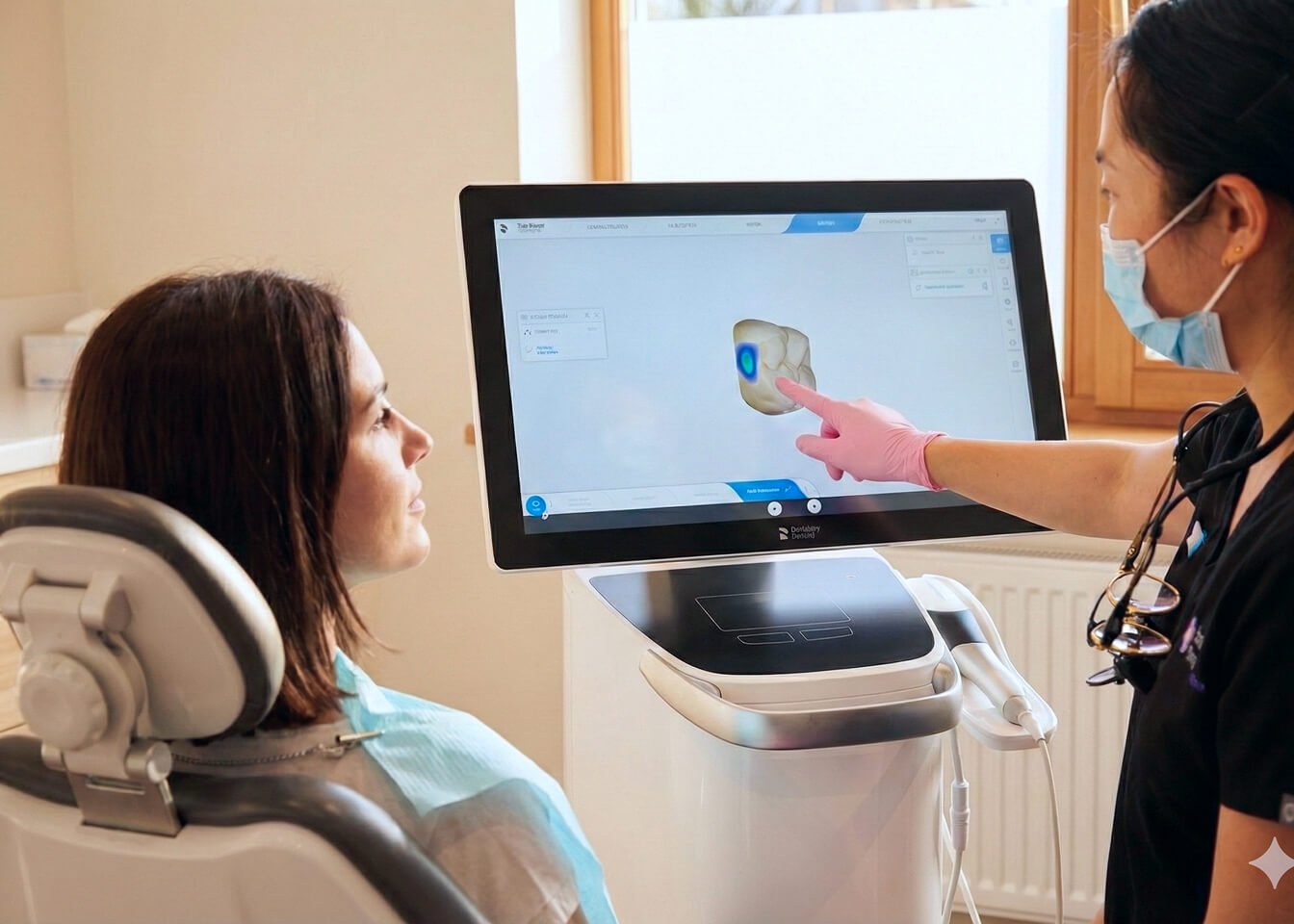
General anaesthesia is provided in our purpose-built hospital-grade facilities for patients who require treatment while fully unconscious.
Sedation options may be particularly helpful for patients undergoing longer procedures such as dental implants, tooth extractions, or complex restorative care.
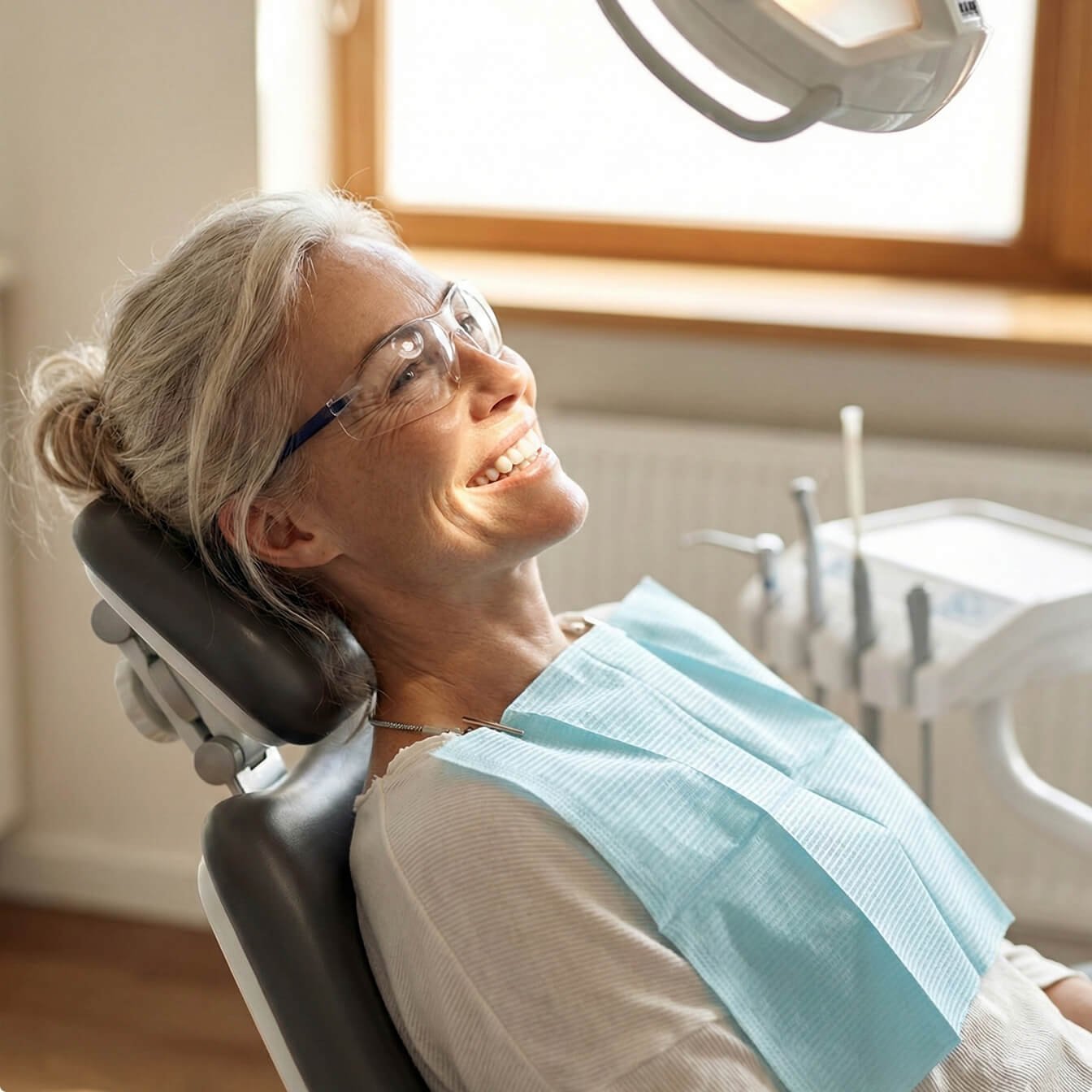

Sleep dentistry is generally considered safe when provided by experienced and appropriately qualified dental professionals. However, as with any sedation or medical procedure, there are potential risks and short-term side effects.
These may include:
It can also be difficult to predict individual responses to oral sedation. In rare cases, allergic reactions may occur.
For this reason, it is essential to inform your dentist about any medical conditions, allergies, or medications you are currently taking, so your care can be planned safely.

If you’ve been avoiding dental care due to anxiety, you’re not alone. Our team is here to provide clear information, gentle care, and appropriate sedation options where clinically suitable.
Answers to common questions about dental implants, sleep dentistry, and sedation.
Suitability depends on factors such as bone quality, oral health, and medical history. A clinical assessment is required to determine appropriate options.
Suitability depends on factors such as bone quality, oral health, and medical history. A clinical assessment is required to determine appropriate options.
Suitability depends on factors such as bone quality, oral health, and medical history. A clinical assessment is required to determine appropriate options.
Suitability depends on factors such as bone quality, oral health, and medical history. A clinical assessment is required to determine appropriate options.
If you’re exploring dental implant treatment and want clear, supportive guidance, we’re here to help.
"*" indicates required fields