
Payment plans available
Ready to explore dental treatment under general anaesthesia? We offer a range of payment plans to help make treatment more manageable.

At Dental Implant Suite, we offer general anaesthetic for suitable patients requiring lengthy or complex dental treatment, delivered in collaboration with a qualified anaesthesiologist.

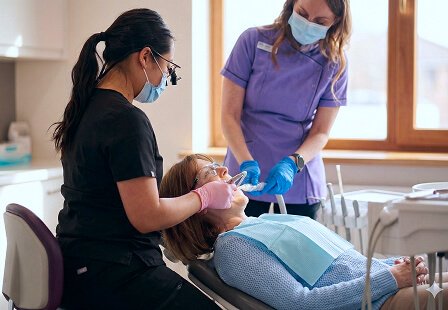
General anaesthetic dentistry uses general anaesthesia to keep patients fully unconscious during dental treatment. Patients are unaware of the procedure and unresponsive to sensations, all while under close medical supervision.

patients with high tolerance to other forms of sedation
patients with extreme anxiety, behavioural conditions, disabilities, or difficulty tolerating dental treatment
patients requiring complex or lengthy dental procedures
children under 12 who require moderate to deep sedation
General anaesthetic is not recommended for routine procedures such as dental cleans or small fillings. At Dental Implant Suite, our anaesthesiologist will review your medical history and may perform relevant tests to confirm that you are medically fit for anaesthesia. You will have the opportunity to ask questions and discuss the process before treatment begins.

Your dentist will explain each step clearly and outline whether general anaesthetic is appropriate for your individual situation.



The most commonly reported side effects may include:
The most commonly reported side effects may include:
Your dental and anaesthetic team will discuss potential risks, side effects, and alternative options relevant to your circumstances. It is important to inform your dentist of any medical conditions or medications so treatment can be planned safely.
The cost of dental treatment under general anaesthetic depends on factors such as:

Ready to explore dental treatment under general anaesthesia? We offer a range of payment plans to help make treatment more manageable.
Common questions about general anaesthetic treatment, suitability, and aftercare.
No. General anaesthesia is not typically recommended for routine procedures such as cleans or small fillings. It is generally reserved for complex treatment or severe dental anxiety.
No. General anaesthesia is not typically recommended for routine procedures such as cleans or small fillings. It is generally reserved for complex treatment or severe dental anxiety.
No. General anaesthesia is not typically recommended for routine procedures such as cleans or small fillings. It is generally reserved for complex treatment or severe dental anxiety.
No. General anaesthesia is not typically recommended for routine procedures such as cleans or small fillings. It is generally reserved for complex treatment or severe dental anxiety.
No. General anaesthesia is not typically recommended for routine procedures such as cleans or small fillings. It is generally reserved for complex treatment or severe dental anxiety.
Dental treatment plays an important role in maintaining your oral health. If you experience anxiety about dental procedures, our team is here to help with clear explanations, supportive care, and appropriate sedation options where clinically suitable.
"*" indicates required fields